Introduction
Here is my direct answer to whether Hyros is worth it for offline conversion tracking: For the average small agency, it’s a bad investment. While the platform is technically capable of handling attribution for offline closes, the extreme level of technical debt it forces on your team is a dealbreaker.
Every “Hyros offline conversion tracking review” conversation I’ve had with other marketers follows a painful, predictable pattern: you are sold on the high-end feature list, you get crushed by the manual setup, and you are completely burned out by week two. The platform handles the data well once it’s running, but for boutique shops, the implementation is a nightmare that eats your margins alive.
In this post, I’m going to walk through how Hyros handles the full click-to-call-to-close journey, why their “advanced” tracking features often fail in practical application, and exactly where the implementation becomes a liability. I’ll also share what offline ad tracking in 2026 actually requires - and why I moved my own agency to a tool that handles these complex funnels without the mandatory “tech-support” headache.
What Hyros actually promises with offline tracking
Hyros markets itself as an AI-powered ad tracking platform for coaches, course creators, and high-ticket info-product businesses. The pitch is solid: track every touchpoint from the first ad click to the final sale, even when that sale happens on a phone call or inside a CRM pipeline. For offline ad tracking 2026, that’s exactly the promise the market needs.
On paper, the feature set is impressive. You get multi-touch attribution, email-based tracking (which is honestly clever), phone call attribution, and the ability to feed revenue data back into your ad platforms. The Hyros call tracking features include dynamic number insertion and call-to-lead matching. That means when someone clicks your Facebook ad, books a call, and closes on that call three days later, Hyros is supposed to connect all three events back to the original campaign.
I’ll be honest, when I first heard this pitch, I thought: finally, someone built what performance marketers actually need. And to be fair, Hyros did see the gap before a lot of their competitors did. The problem isn’t the vision. The problem is the execution and what it costs you to get there.
Pricing sits around $299/month at the starter tier and climbs steeply from there based on tracked revenue. For a high-ticket business doing real volume, you’re looking at $600 to $1,200/month easily. At that price, I expected a smooth onboarding experience and clean data out of the box. That’s not always what you get.
The click-to-call-to-close journey: where most tools fall apart
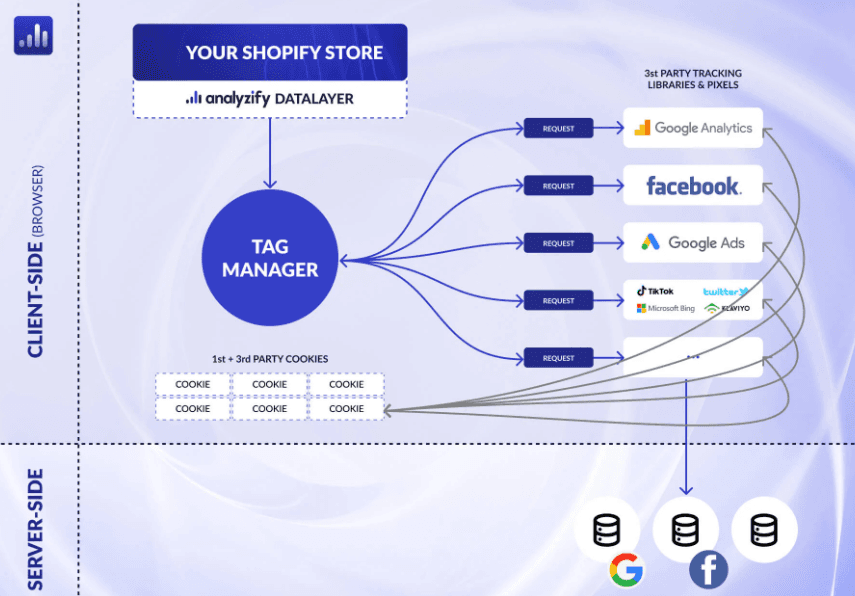
Most ad platforms are built to track what happens in a browser. The moment a lead picks up the phone or gets handed off to a sales rep, the data chain breaks. This is the core problem that any serious offline ad tracking 2026 solution needs to solve.
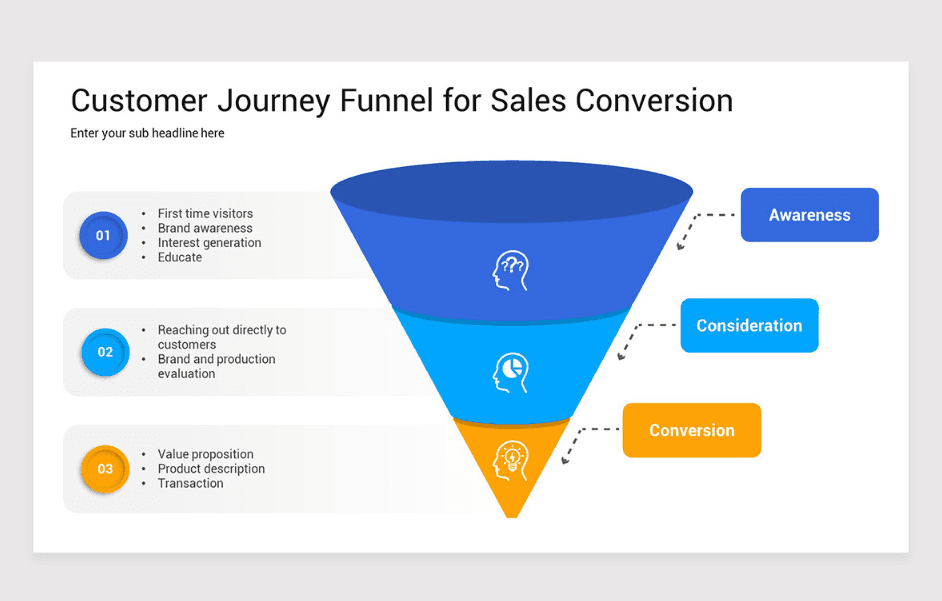
The click-to-call-to-close journey typically looks like this: someone clicks an ad, lands on a funnel page, opts in with an email, books a strategy call, shows up to that call, and closes either on the call or a few days later via a follow-up. That’s four to six touchpoints spread across multiple systems. Your ad platform sees the click. Your calendar tool sees the booking. Your CRM sees the close. None of them talk to each other by default.
This is where attribution for offline closes becomes a real operational challenge, not just a tracking preference. If you can’t connect the closed deal back to the original ad click, you’re flying blind on your media spend. And I’ve watched businesses make genuinely terrible budget decisions because they were optimizing for lead form submissions instead of actual revenue.
Hyros attempts to bridge this with its email stitching approach. When a lead opts in, Hyros captures the email and the associated click IDs (GCLID, FBCLID). When that lead eventually buys, Hyros matches the purchase event back to the original traffic source through the email. It works. When it works.
The failure points tend to be in the integration layer. If your CRM doesn’t push the right data at the right time, the match fails silently. And you often don’t know it failed until you’re looking at attribution reports that don’t add up.
Hyros call tracking features: what’s real, what’s marketing
The Hyros call tracking features are genuinely one of the more differentiated parts of the platform. Dynamic number insertion lets you swap the phone number on your landing page based on the traffic source. That means when a Google visitor calls, they hit a different number than when a Facebook visitor calls. Each number maps back to a campaign.
This is a solid approach for businesses where the phone is the primary conversion point. To track sales calls from ads at any real depth, you need this kind of source-level granularity. Most basic call tracking tools like CallRail (which starts around $45/month) give you the call data but not the full ad attribution chain. Hyros tries to close that gap.
Where it gets murky is post-call revenue attribution. Knowing someone called from your Facebook campaign is one thing. Knowing that a specific call turned into a $5,000 close three days later requires your CRM to push that revenue event back to Hyros correctly. The integration setup for this is not beginner-friendly. I’ve seen teams spend two to three days just configuring webhooks and testing data flows before getting clean attribution for offline closes.
Honestly, this is where I see most people give up. The feature exists. It works in theory. But the operational lift to make it reliable is higher than the platform’s marketing suggests.
The implementation burden nobody talks about
Nobody in the Hyros promotional material is upfront about how technically demanding the setup actually is. And this matters a lot when we’re talking about offline ad tracking 2026, where the expectation is that tools should get smarter and faster to deploy, not heavier.
A typical Hyros implementation for a course creator or coaching business with a phone-close model involves: installing the tracking script correctly across all funnel pages, setting up CRM integration (usually GoHighLevel, HubSpot, or Keap), configuring webhooks for pipeline stage changes, mapping revenue events to the right attribution window, testing GCLID and FBCLID capture, and validating that call data is flowing into the attribution reports correctly.
That’s not a weekend project. I’ve worked with clients who handed this off to a developer and still came back to me two weeks later with broken attribution.
The frustration isn’t that Hyros is bad. It’s that for the price point and the audience they serve (coaches and course creators who are not typically technical), the implementation burden is inconsistent with the platform’s positioning. To meaningfully track sales calls from ads across a multi-step close process, you need either a dedicated ops person or a simpler tool.
Attribution for offline closes: the standard Hyros sets (and misses)
Let me give credit where it’s due. When Hyros works correctly, the attribution for offline closes is some of the most detailed data you’ll find in this price range. The 60-day attribution window, the multi-touch journey visualization, and the ability to see which ads are generating actual revenue (not just leads) make it a genuinely powerful tool for high-ticket businesses.
The challenge is consistency. Attribution for offline closes is only valuable if the data is reliable. And reliability in Hyros is heavily tied to how cleanly your CRM and funnel stack are configured. A missed webhook here, a delay in pipeline updates there, and your attribution data starts drifting from reality.
A client came to me last year frustrated that their Hyros data showed Facebook as a top performer, but when we audited their CRM, we found that half the closed deals weren’t being pushed back to Hyros at all. Their sales team was closing deals and marking them in a spreadsheet before updating the CRM. The attribution chain broke at the human step.
This is a real problem with any offline tracking solution, not just Hyros. But when you’re paying $600/month and spending three days setting it up, you expect the system to be more resilient to human error. To seriously track sales calls from ads and tie them to revenue, the tool needs to handle edge cases gracefully, not require perfect process compliance from your entire sales team.
How Roaspy fits into this
This is where I want to be genuinely honest rather than just promotional. After working through multiple Hyros implementations and watching teams struggle with the overhead, I started using Roaspy for clients who needed the same “source of truth” data without the three-day setup ritual. The difference in time-to-clean-data was significant.
Roaspy is built specifically for high-ticket course creators and agencies. It handles CRM-to-ad matching, GCLID and FBCLID capture, call tracking integration, and backend revenue sync. Basically, everything a proper offline ad tracking 2026 setup requires. But the architecture is leaner. You’re not configuring a dozen webhooks manually. The 30-day journey visualization gives you the full click-to-call-to-close picture in a dashboard that doesn’t require a certification to read.
Here’s the comparison that matters:
Feature | Roaspy | Hyros |
Pricing | Free tier available (up to $1,500 spend); Paid plans from $47/month | $299/month+ (scales with revenue) |
Setup time | Same-day to 24 hours | 2–3 days minimum |
CRM-to-ad matching | Built-in | Available, requires manual configuration |
Call tracking integration | Native | Available, third-party dependent |
GCLID/FBCLID capture | Automatic | Requires script setup |
Backend revenue sync | Yes | Yes, but CRM-dependent |
Agency reporting | Built for agencies | Possible, not the focus |
Server-side event delivery | Yes | Limited |
The moment that stuck with me: I had a client who went live on Roaspy on a Tuesday afternoon and had clean attribution for offline closes by Wednesday morning. The same client had spent a week trying to get Hyros stable. That’s not a knock on Hyros as a concept. It’s a reflection of who each tool is actually built for.
If you’re running a high-ticket funnel and need to track sales calls from ads without rebuilding your tech stack, Roaspy is worth a serious look: https://www.roaspy.com/
Frequently asked questions
Q: Is Hyros offline conversion tracking review information still relevant in 2026?
A: Yes. Hyros is still actively used by high-ticket info-product businesses and the core platform hasn’t changed dramatically. The implementation complexity and pricing concerns flagged in most Hyros offline conversion tracking review posts remain accurate as of 2026.
Q: Can Hyros actually track sales calls from ads end-to-end?
A: It can, but it requires clean CRM integration and a consistent sales team process. The Hyros call tracking features handle the click-to-call portion well. The call-to-close attribution depends on your CRM pushing revenue events back correctly, which is where most implementations run into problems.
Q: What’s the difference between Hyros and a tool like CallRail for call tracking?
A: CallRail (around $45/month) tracks which calls came from which source. Hyros goes further by tying that call to the original ad click and, if configured correctly, to the eventual revenue. For basic call attribution, CallRail is simpler and cheaper. For full attribution for offline closes in a high-ticket funnel, you need something with deeper CRM integration.
Q: How long does a typical Hyros setup take for offline ad tracking 2026 requirements? A: Realistically, two to four days for a team that’s comfortable with CRM integrations and webhook configuration. If you’re less technical, expect longer. The Hyros call tracking features, in particular, require careful testing before you can trust the data.
Q: Is Roaspy a direct replacement for Hyros?
A: For most high-ticket course creators and agencies, yes. Roaspy covers CRM-to-ad matching, call tracking, GCLID/FBCLID capture, and backend revenue sync with significantly less setup overhead. If you need Hyros-level attribution for offline closes but want it running faster, Roaspy is the practical alternative.
Q: Do I need a developer to set up offline ad tracking properly?
A: With Hyros, having a developer helps a lot. With Roaspy, the setup is designed to be accessible without deep technical knowledge, which is a meaningful difference for smaller teams trying to track sales calls from ads without a full engineering resource.
My final thoughts
I want to be straight with you. Hyros isn’t a bad tool. For the right team with the right technical resources, the depth of data it can provide is genuinely impressive. The Hyros offline conversion tracking review conversation gets complicated because the platform’s capabilities are real, but so is the implementation burden. And for most of the course creators and coaches I work with, that burden is the dealbreaker.
The core problem with offline ad tracking in 2026 isn’t whether the technology exists. It does. The problem is whether your team can realistically operate it without burning out or getting lost in configuration. Attribution for offline closes only delivers value if the data is consistently clean. A tool that’s technically capable but practically unreliable is worse than a simpler tool that works every time.
If you’ve been thinking about getting serious about tracking your click-to-call-to-close journey, don’t let perfect be the enemy of functional. Start with something you’ll actually maintain. For the clients I work with and me, that’s been Roaspy. It handles everything I need for attribution for offline closes without demanding that my clients become attribution engineers.
Go explore what Roaspy can do for your funnel: https://www.roaspy.com/. If you’re tired of guessing which ads are actually closing deals and want clean data


